Innovation House
Alkmaar Way
Norwich
NR6 6BF, UK
Alkmaar Way
Norwich
NR6 6BF, UK
There is no such thing as a standardised approach which it comes to an offshore wind project. Corrosion, fatigue, erosion, and more, are all challenges which need upfront consideration and planning when it comes to design, manufacture and operations.
Fixed and floating offshore turbines will both be subject to different combinations of complex wave, current, wind and operational loadings, to name just a few. And this means that finding the correct concept and design for your project is going to be very dependent on several factors – such as water depth, specific environmental conditions, and the turbine design itself.
At Aquaterra Energy, our dedicated and experienced in-house team of offshore analysts work closely with other offshore disciplines to reduce conservatism and find practical and intelligently engineered solutions. We take the stress out of finding that optimal design for your specific offshore wind project – helping to accelerate your time to first operation and a faster return on your investment.
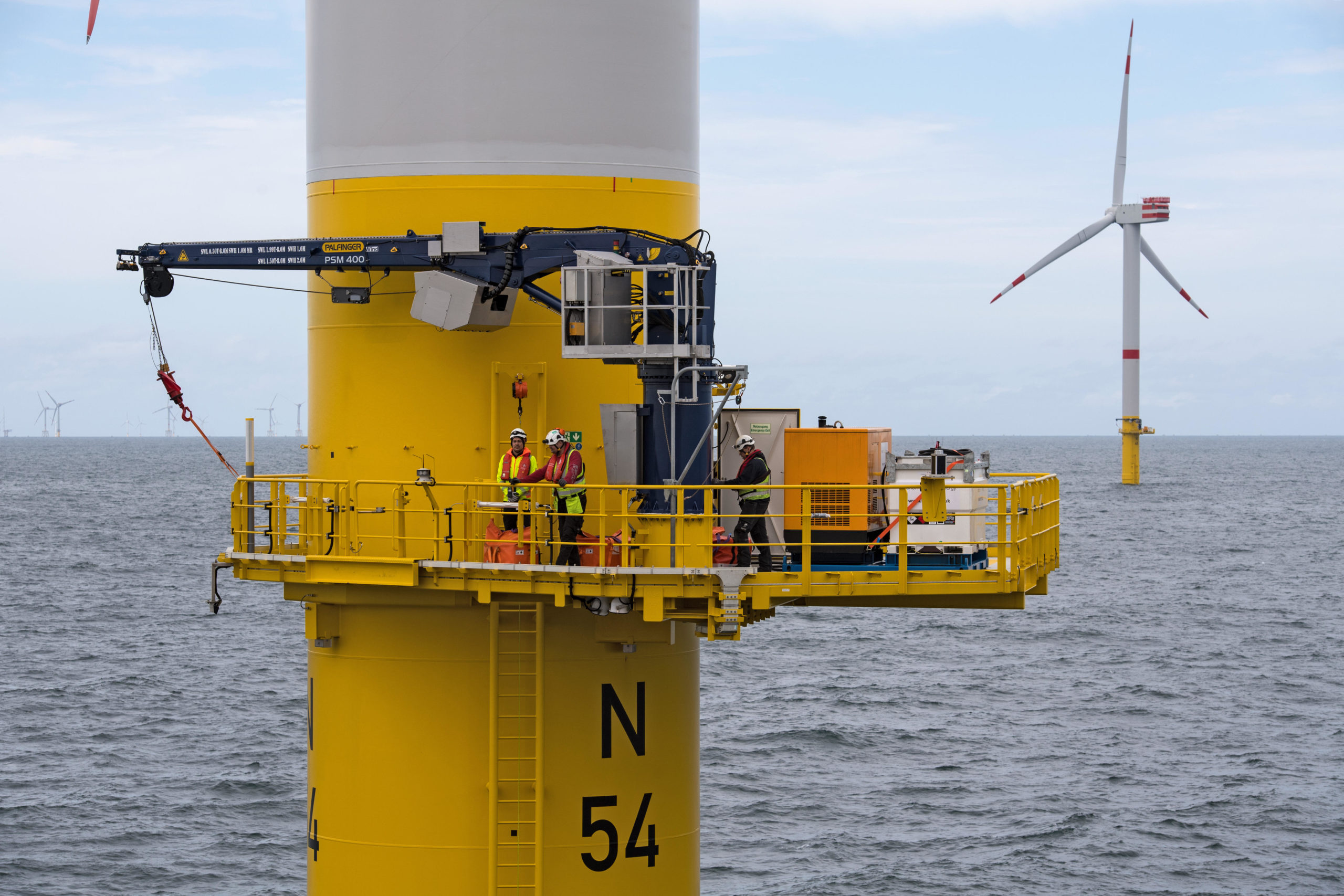
Every offshore wind project is unique and requires intelligent engineering. Mooring design, corrosion, fatigue, and complex environmental loads all need careful planning. Fixed and floating turbines face interacting waves, currents, wind, as well as operational forces, making design decisions highly site-specific. Our expertise delivers practical solutions that simplify, design optimisation and maximise your return on investment.
Our in-house offshore analysts make it easier by:
We provide:
We calculate:
We optimise:






Proven, flexible and integrated drilling well access solutions, improving efficiency across subsea developments.
Riser-based systems for safe and reliable well re-entry, for intervention and abandonment operations.
Intelligent analysis supporting confident delivery, smarter investment and sustained project success.
Expert CO₂ storage solutions, supporting tomorrow’s energy transition.
Integrated subsea systems connecting seabed infrastructure through to surface operations.
Innovative offshore platforms tailored to unique project needs, from concept to installation.
Delivering a full suite of specialist products, supported by decades of offshore expertise.
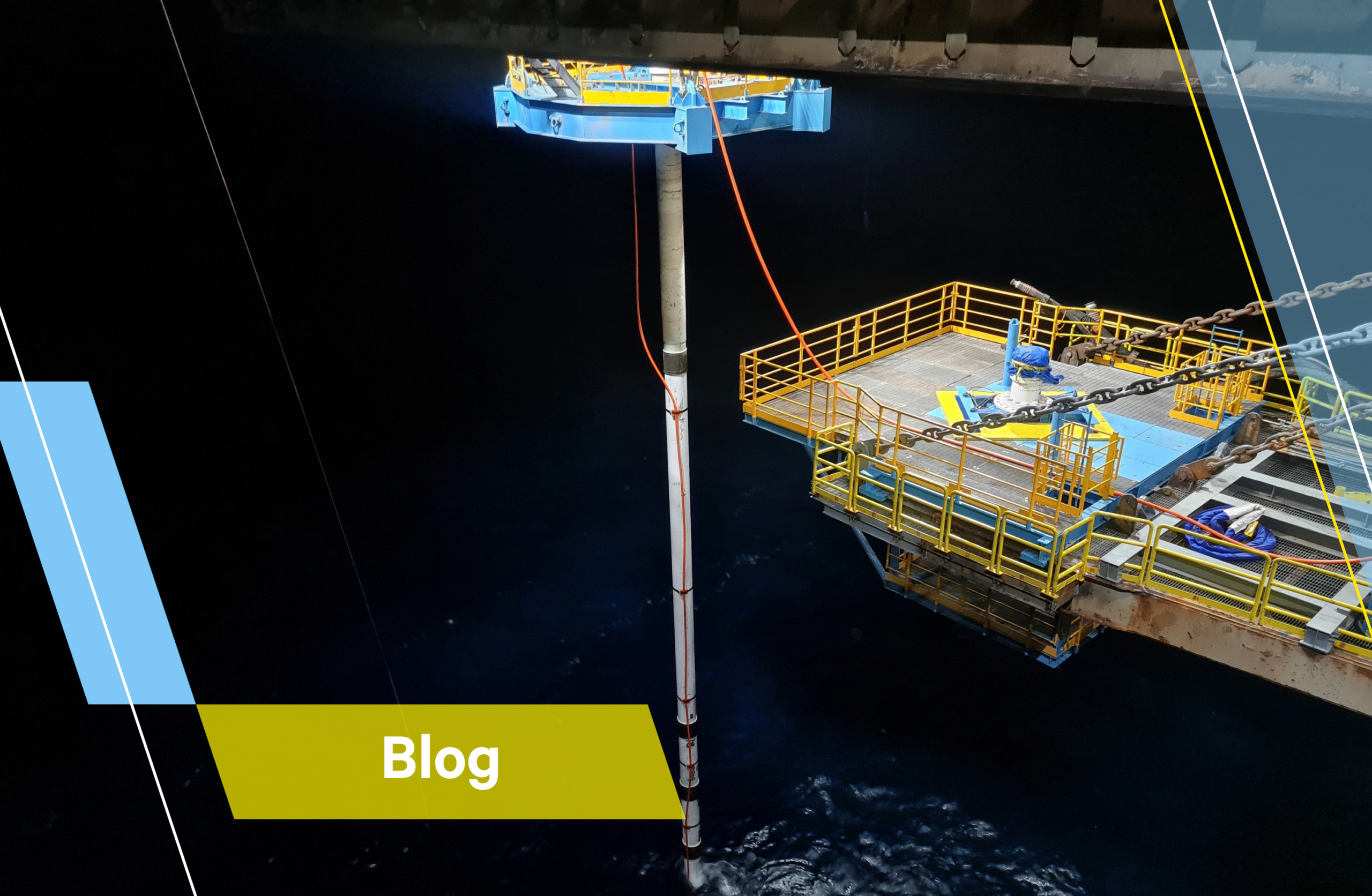
Well access needs to be considered early in offshore decommissioning, particularly where ageing infrastructure or legacy equipment can constrain the abandonment programme. Understanding the condition of existing wells helps operators select suitable access systems and offshore units, while our well access engineering and partnership with James Fisher supports coordination from planning through to delivery. Planning […]
Read more