Rethinking Shallow-Water Subsea: Using Jack-Up Systems for Efficient and Versatile Offshore Projects
07 Apr 2026
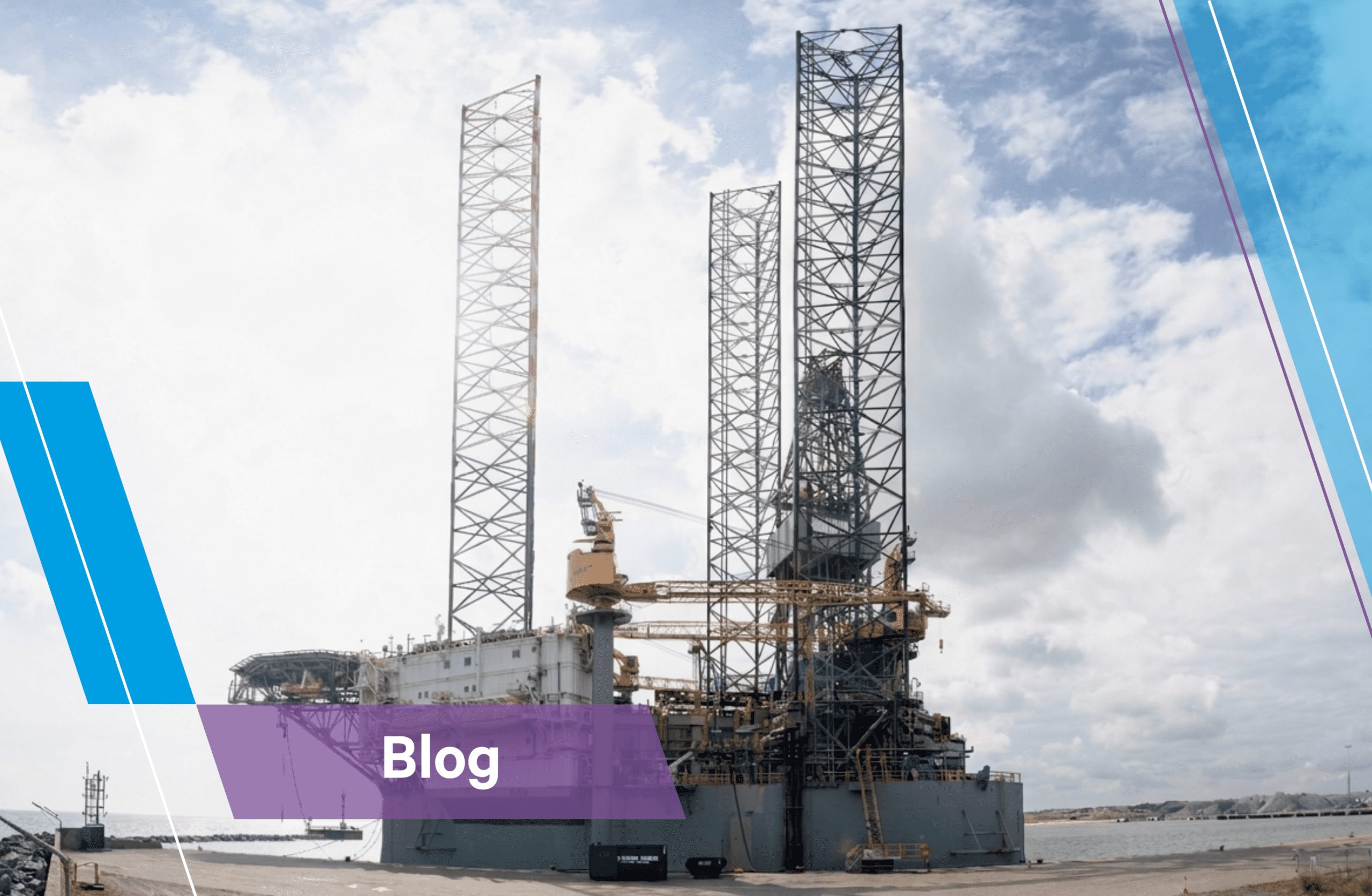

Shallow-water subsea developments have traditionally been shaped by industry assumptions that no longer reflect today’s reality.
Subsea development has long carried a reputation for being expensive, complex, and high-risk. Many operators automatically assume that semi-submersibles or large platforms are required, especially for shallow-water fields or older wells.
However, innovations in jack-up subsea systems are transforming this perception.
Today, operators can achieve safe, flexible, and cost-effective subsea operations without compromising performance, from new field developments and short-term production scenarios to existing legacy wells.
This blog will explore some of the most common questions operators face about jack-up subsea solutions, highlighting exactly how these systems can unlock new possibilities for your offshore projects.
Can jack-up subsea systems be used for both greenfield and brownfield projects?
Absolutely – shallow-water jack-up solutions are suitable for both new and existing fields. In fact, they often provide a lower-load, lower-risk, and more cost-effective alternative, particularly when accessing legacy subsea wells where fatigue life or BOP weight is a concern. By extending operational flexibility, jack-up systems allow operators to manage older infrastructure safely while still pursuing new development opportunities.
Can subsea infrastructure and trees be installed from a jack-up rig?
Yes. Jack-up rigs equipped with subsea well access systems are specifically designed for this purpose. When environmental and operational conditions are suitable, jack-ups have successfully installed subsea trees and infrastructure on numerous projects worldwide. This capability opens the door to subsea developments in regions where heavy-lift vessels or semi-submersibles are unavailable or cost-prohibitive.
Isn’t subsea more expensive than dry tree or semi-submersible solutions?
Not necessarily. Comparing only the cost of a dry tree versus a subsea tree, or a semi-submersible versus a jack-up, can make subsea appear more expensive. However, when the full field development costs are considered, including jackets, topsides, and heavy-lift vessels, the economics often favour a jack-up subsea approach. In some cases, a jack-up rig with a subsea well access system can deliver a commercially competitive solution at a fraction of the cost of a semi-submersible deployment.
Can subsea work for short-term production or single wells?
Yes. Subsea solutions are highly effective for short-term production. Subsea trees and umbilicals can be recovered once production ends and redeployed elsewhere – something significantly harder and more costly with jackets, topsides, or dry tree completions. A proven example is Shell’s SWEEP project in the Netherlands, where a short-term gas pocket was produced before the subsea tree was recovered and reused elsewhere.
Even multi-well developments can be handled efficiently from a single jack-up drill centre. We have supported projects with four or eight wells drilled subsea, keeping overall development costs lower than traditional jacketed platforms.
How can legacy or unusual wells be abandoned safely?
Legacy wells don’t have to be a barrier. Some wells were drilled decades ago with equipment no longer compatible with modern semi-submersibles. Jack-up subsea systems reduce operational loads, allowing for safer, leaner, and more practical abandonment solutions.
Even wells with unknown or obsolete connectors can be addressed: we have a proven track record of sourcing, refurbishing, or custom-designing connectors to enable safe well abandonment. This includes projects where no wellhead is present, and abandonment is completed from a cut pipe stub.
Are jack-up subsea operations more complicated than semi-submersible operations?
It can seem that way in regions where jack-up subsea activity is rare. However, with experienced providers, jack-up operations are straightforward. Differences in pre-job planning, analysis, subsea wellhead and tree handling, and installation activities are well understood and managed through established procedures. Our jack-up subsea engineers deliver a complete well access solution that extends well beyond equipment supply, ensuring safe, efficient, and predictable execution.
Flexibility, Safety, and Cost-Efficiency in Shallow Water
Shallow-water jack-up rigs equipped with subsea well access systems are redefining offshore operations. They make subsea development accessible and practical for greenfield and brownfield projects, short-term production, legacy wells, and multi-well fields.
By reducing costs, minimising risk, and allowing equipment reuse, jack-up subsea solutions offer operators a smarter, safer, and more flexible way to produce offshore oil and gas, without the burden of heavy semi-submersibles or traditional platforms.
To learn more about how our jack-up subsea solutions can support your offshore projects, discover our complete well access solutions today, or download our AquaAnswers myth-busting sheet.