Beyond Tree Design: How Pressure and Well Control Critically Define Subsea Intervention Operations
13 Oct 2026
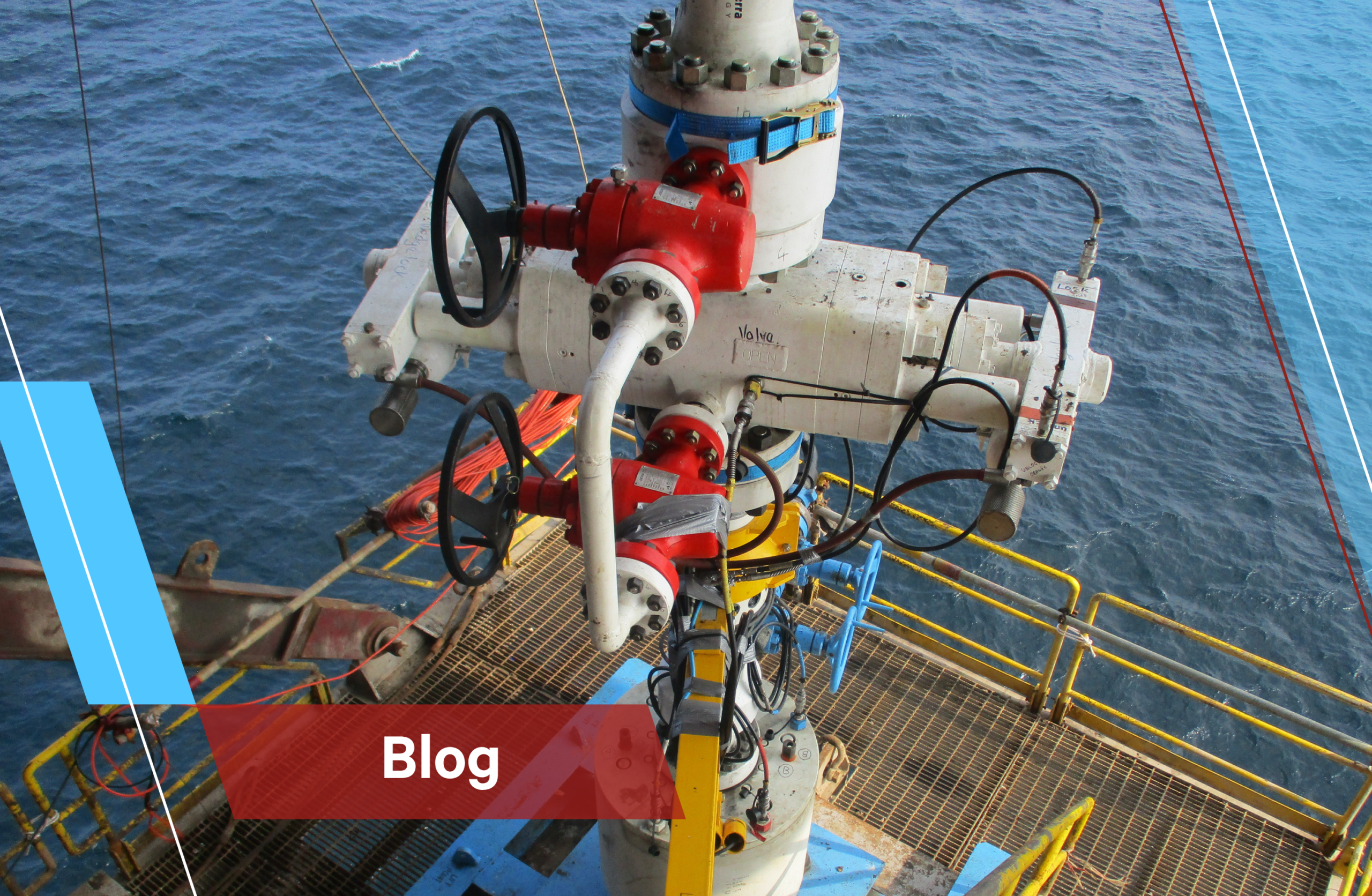

In my last blog, I explored how vertical and horizontal subsea trees influence intervention planning, access routes, and operational efficiency. In practice, subsea well access is shaped by more than tree architecture. That brings us to a critical operational distinction: pressure control versus well control.
Although these terms are often used together, they represent two fundamentally different operational states. Understanding the boundary between them is essential for safe subsea well access, particularly when navigating different tree configurations and access pathways. In this follow-up blog, I’ll unpack these definitions, examine how transitions occur in the field, and explain why clarity here is crucial offshore.
Pressure control refers to managing known, stable, and predictable well pressures during an intervention. Most planned subsea intervention work operates under this regime, where the pressure environment is understood, the well behaves consistently with models, barriers are verified, and intervention equipment is designed for safe operation within these parameters. Well intervention operations differ significantly from drilling operations because hydrocarbons remain present within the pressure control equipment, including the riser, lubricators and BOP, under pressure and temperature during normal operations. In this configuration, components such as the well access riser body and sealing surfaces form part of the primary well barrier. Any failure of these barriers could result in an uncontrolled hydrocarbon release to the environment.
Unlike drilling operations, there is no fluid column acting as the primary well barrier. Instead, hydrocarbons remain continuously pressurised against the intervention system, creating a constant drive towards the atmosphere and placing sustained loads on critical pressure-containing components. These operating conditions can accelerate degradation mechanisms, with elevated partial pressures increasing the susceptibility of materials to issues such as sulphide stress cracking and hydrogen embrittlement.
Tools such as lubricators, wireline BOPs, annular control valves, and tree valves allow operators to maintain containment while safely accessing the wellbore under dynamic operations (the running in and out of hole with intervention tooling under direct wellbore pressure). As I highlighted in my previous blog, vertical trees simplify re-entry, keeping the pressure-control envelope predictable through a direct vertical path. Horizontal trees can also support pressure control, but additional steps like crown plug removal require closer monitoring as access is restored.
Well control is a reactive state, invoked when pressures deviate unexpectedly or well integrity may be compromised. It is triggered by any indication of influx, loss of containment, or barrier failure.
Operators enter well control by shutting in the well, activating shear-seal or blind-shear functions, switching from intervention tools to full well-control equipment, and re-establishing verified barriers before resuming operations.
This mode is not part of normal operations. It is essential whenever higher-risk interventions occur, such as tree removal, reconnection, or crown plug extraction. These activities temporarily alter system barriers, increasing the likelihood of transitioning from pressure control into well control if the well behaves differently than expected.
In open-hole drilling, rather than intervention, the primary barrier is not the pressure control equipment but instead the drilling or completion fluid. This fluid is weighted to provide sufficient pressure to contain the well while avoiding damage to the formation being drilled. The fluid has an additional benefit of isolating the secondary well control equipment, such as drilling BOP, riser spools and casing, from wellbore fluids and gases. Hydrogen sulfide scavenger can be added to the fluids as an additional benefit, as well as other additives to perform other functions.
The difference between pressure control and well control comes down to the moment of deviation: when the well stops behaving as predicted and if intervention or open hole drilling is being performed. Factors that can trigger this transition include pressure spikes outside the expected range, unexpected annulus communication, fluid or gas influx, seal degradation, seal wash out or toolstring restrictions.
Pressure-control operations rely on equipment designed for planned, stable pressures while enabling operational flexibility. This includes lubricators, wireline BOPs, annular control valves, tree valves, and riser systems rated for expected operating pressures.
Well-control operations require equipment built for worst-case scenarios, capable of shearing, sealing, isolating, and withstanding abnormal loads. Shear-seal BOPs, full shut-in barriers, redundant seals, and heavier-duty assemblies are all essential, supported by monitoring, verification, and emergency response systems.
However, intervention pressure control equipment remains in continuous contact with hydrocarbons, wellbore fluids and gases under pressure throughout normal operations.
Even in highly controlled subsea interventions, failure modes can arise. Seal failures, unexpected well behaviour during crown plug removal, misaligned tubing hangers, debris affecting tool movement, or barrier verification issues can all trigger a shift from pressure control to well control.
From my experience, recognising these scenarios in advance is key to maintaining a safe and structured approach. Successful campaigns rely on clear, pre-defined decision thresholds, where operators continually assess whether the well is behaving within predicted pressure limits, barriers are intact, any manipulation is required, tree configuration introduces risk, and the team is prepared to transition into well control if needed.
By structuring decision-making around these factors, teams can ensure that any transition between pressure control and well control is predictable, well-rehearsed, and safe.
Understanding the difference between pressure control and well control is fundamental for safe and efficient subsea intervention. Most operations occur within a stable pressure-control environment, but every campaign must be prepared for the possibility of well control if the well behaves unpredictably or barriers are altered.
Tree configuration plays a direct role. Vertical trees offer straightforward barrier management and re-entry, while horizontal trees require additional steps, such as crown plug removal, which influence when operators may need to move from a pressure-control approach into full well control.
If you’d like to explore what this could look like for your own asset, I’m happy to discuss the practical steps, key considerations, and strategies that make pressure and well control integration with your subsea trees achievable.