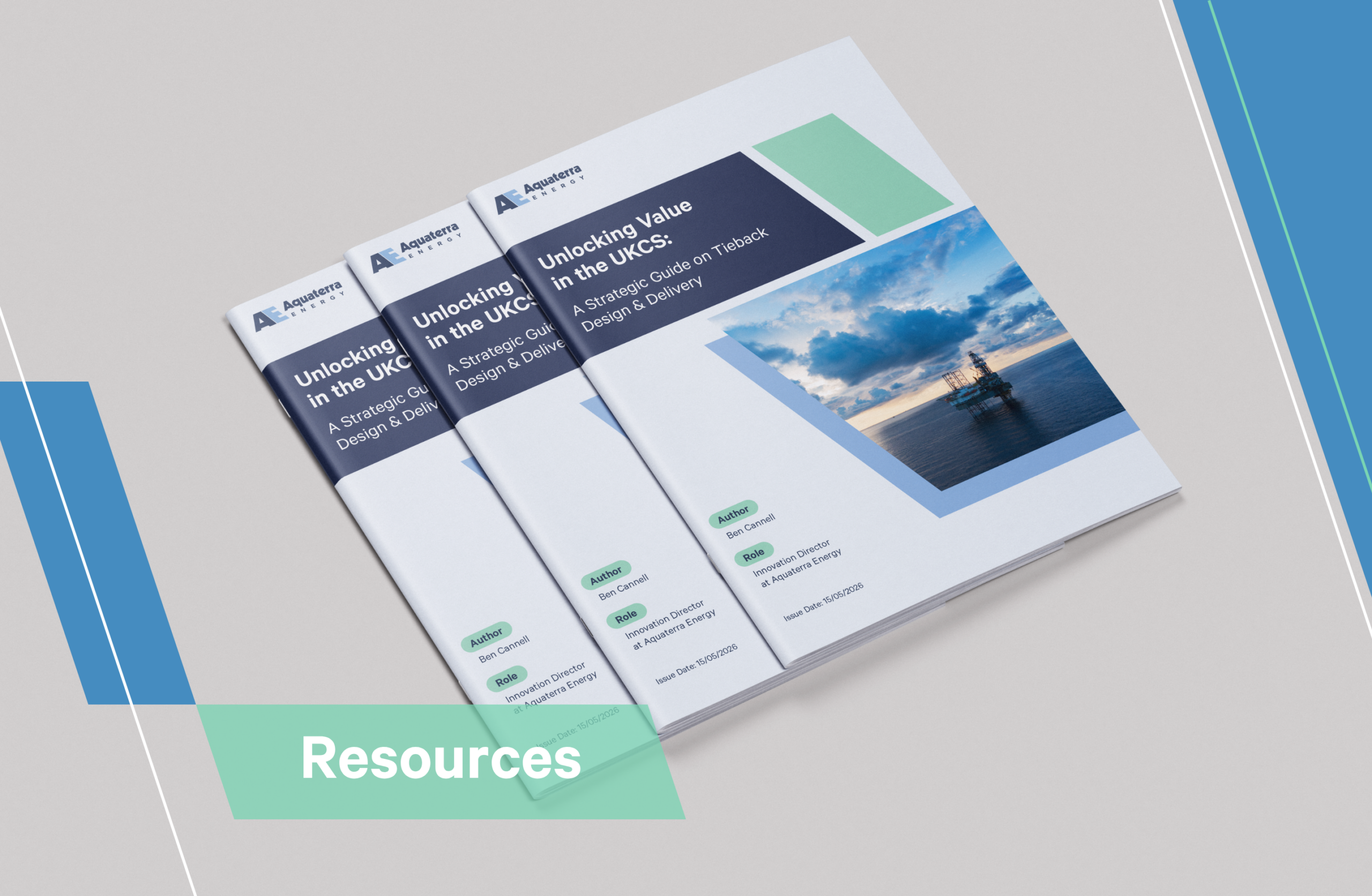
Unlocking Value in the UKCS: A Strategic Guide on Tieback Design & Delivery
15 May 2026

Shallow-water subsea developments have traditionally been shaped by industry assumptions that no longer reflect today’s reality.
The UK Continental Shelf is entering a new phase — one defined by tighter regulation, ageing infrastructure, and a narrowing window for development. With no new exploration licences and increasing pressure on existing assets, subsea tiebacks have become the primary route for unlocking remaining value.
This guide brings together a series of practical insights on tieback design and delivery, helping operators navigate the technical, commercial and strategic challenges of developing fields in a mature basin. From early feasibility through to execution, it outlines what it takes to make tiebacks work in today’s UKCS environment.
Download the full guide now and unlock a smarter approach to UKCS tiebacks.