Well access for offshore decommissioning: What operators need to consider
09 Oct 2026
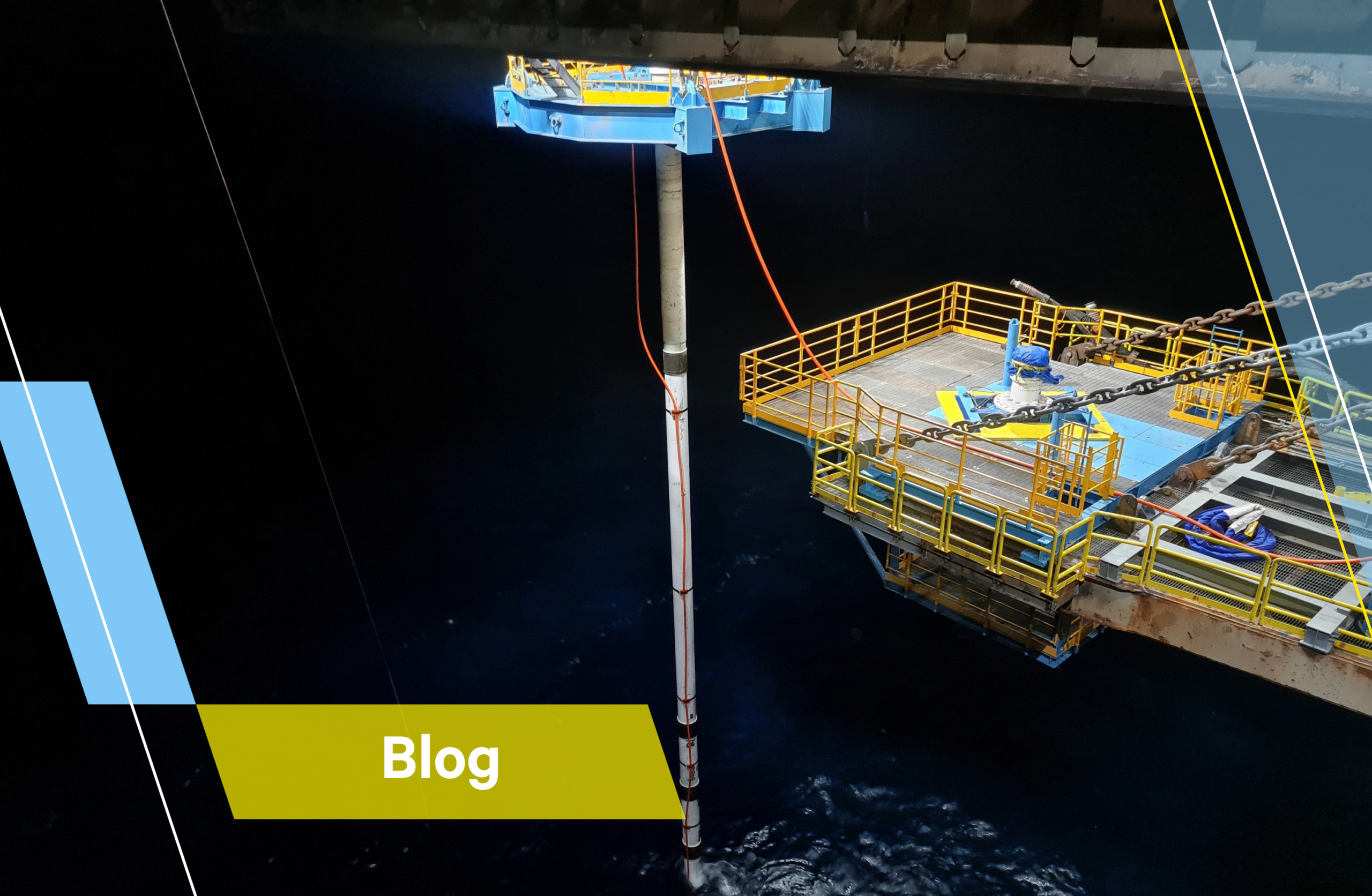

Well access needs to be considered early in offshore decommissioning, particularly where ageing infrastructure or legacy equipment can constrain the abandonment programme. Understanding the condition of existing wells helps operators select suitable access systems and offshore units, while our well access engineering and partnership with James Fisher supports coordination from planning through to delivery.
Wells account for a substantial share of the offshore decommissioning work ahead. On the UK Continental Shelf, operators spent approximately £1.3 billion on well decommissioning in 2025, with work undertaken on more than 250 wells.
The North Sea Transition Authority (NSTA) reports that around 500 wells are still awaiting final abandonment, with more than 1,000 additional wells forecast for decommissioning over the next five years. Delivering that work requires operators to establish how each well can be safely accessed, taking account of its condition and the infrastructure that remains available. For wells installed decades ago, original equipment and subsea interfaces may introduce constraints that need to be understood before offshore work begins. Those constraints will help determine the approach to plug and abandonment (P&A), including the unit and equipment needed to carry it out. Well access needs to be part of the planning from the outset.
Before permanent abandonment can proceed, operators need a means of safely reaching and controlling the well that supports the planned intervention work. The access system must accommodate the abandonment scope and the condition of the existing well barriers.
HSE’s well integrity guidance calls for a formal end-of-well-life review to assess whether a well can safely continue in use or requires rectification, suspension or abandonment. The findings help operators establish the work required and assess how it can be carried out.
Permanent abandonment requires barriers across the full cross-section of the well, including its annuli, and the work needed to establish them has implications for campaign duration and cost.
Access engineering therefore needs to progress alongside the P&A programme, with the proposed system assessed against the activities it will support. Selecting equipment after the abandonment scope has been developed leaves less opportunity to address constraints in the well or offshore configuration.
We bring front-end engineering and well access into decommissioning planning, helping operators define an approach that can be carried through to offshore execution.
Re-entry planning starts with the available well records and an engineering assessment of the existing configuration. Platform wells require an understanding of the condition and capacity of the installation, while subsea wells need an assessment of seabed equipment and connection interfaces.
Operators need to establish:
HSE recognises deterioration through ageing as a structural integrity consideration. However, age alone does not determine whether a well can be safely re-entered – engineering decisions need to reflect the actual condition of the well and its supporting infrastructure.
Incomplete historical information needs to be investigated before it becomes the basis for equipment selection. Any uncertainty that remains should be accounted for in the offshore programme.
Legacy interfaces may require further engineering to connect current equipment to an existing well. Reviewing archived drawings and checking the original configuration can inform a suitable connection, with any new tooling subject to the necessary qualification.
Our well access engineering uses analysis to establish the loads that existing infrastructure can accommodate and whether additional support is required. Where that assessment identifies a structural constraint, our Recoverable Abandonment Frame can provide support during access or abandonment activities.
Suitable platform infrastructure may provide a route to the well, while other campaigns require access from a jack-up, lift boat or floating vessel. The choice depends on the well configuration and water depth, as well as the work needed to complete abandonment.
For subsea wells, riser-based systems provide access between seabed and surface, incorporating the connections and pressure control equipment required for intervention and abandonment. The system must be assessed together with the proposed offshore unit. Well interfaces and operating limits need to be understood before committing to either. This allows compatibility requirements to be addressed during engineering, when the configuration can still be adapted.
OEUK’s guidance on rig and unit selection for platform well decommissioning supports assessing the available options against equipment condition and the work required. This helps operators select a configuration suited to the abandonment scope.
Our intervention and abandonment riser systems are configurable for deployment from jack-ups, lift boats and floating vessels, supporting legacy and modern subsea trees. This provides flexibility when developing an access solution, with suitability established through engineering assessment of the specific well and campaign requirements.
Well access decisions affect the subsea operations that follow and, where required, the removal of infrastructure. The teams responsible for those activities need to agree how their scopes fit together while the programme is being developed.
Different assumptions about interfaces or sequencing can create problems once engineering is under way. Early collaboration helps specialists agree dependencies and responsibilities before unresolved requirements result in additional offshore work or changes to the access solution.
Through our partnership with James Fisher, we lead front-end engineering and well access, while James Fisher provides subsea operations and specialist cutting services, including platform-well surface cutting and recovery. Bringing these scopes together during planning helps establish the requirements for offshore delivery.
By aligning these activities around a common technical baseline, we can coordinate the sequence from planning through execution. Earlier agreement on requirements can reduce avoidable handovers and limit the potential for one scope to force redesign of another.
The NSTA identifies increased collaboration between operators and the supply chain, together with longer-term contracting, as behaviours supporting cost-effective decommissioning. OEUK’s 2025 report also highlights growing competition for specialist equipment and vessels as offshore wind activity expands, adding weight to the case for efficient planning.
The cost to decommission a well is influenced by the resources required to reach it and carry out the abandonment work. Access decisions affect rig or vessel selection and the engineering needed to integrate and mobilise the system.
They also shape the sequence of intervention and P&A activities. Establishing interfaces early helps operators assess offshore duration and plan around other activities, including simultaneous operations (SIMOPS). Where well condition or equipment compatibility remains unresolved, the programme needs appropriate contingencies. Investigating those uncertainties before mobilisation can limit the potential for late changes or additional offshore work.
Each access option needs to be assessed against the complete abandonment scope. A lower-cost unit offers little benefit if it cannot support the required work or introduces additional engineering and offshore activity elsewhere in the campaign.
Where wells have comparable configurations, early engineering may identify opportunities to adapt equipment or reuse an access approach across the campaign, reducing the need to develop each solution separately.
The NSTA estimates remaining UKCS decommissioning costs at £43.4 billion, with inflation and market uncertainty continuing to affect the outlook. Competition for specialist offshore resources adds further pressure, making a clear understanding of access requirements valuable when setting budgets and securing equipment.
We support operators through well assessment and access engineering, integrating the selected approach into the wider decommissioning programme. This gives them a firmer basis for planning execution before offshore commitments are made.
For support with your next offshore decommissioning or well abandonment campaign, talk to our team about a well access strategy developed around your wells and existing infrastructure.
Q: What is well access in offshore decommissioning?
A: Well access covers the engineering, equipment and offshore configuration needed to reach and control an existing well safely for intervention or abandonment. The approach depends on the work required and whether the well is platform-based or subsea.
Q: Where does well access fit into the plug and abandonment process?
A: Access enables much of the intervention and permanent-abandonment work, so it needs to be considered while the P&A programme is being developed. Planning access alongside the well abandonment process helps establish whether the proposed configuration can support the required activities.
Q: How can legacy subsea wells be re-accessed for abandonment?
A: Operators assess the well’s condition and existing interfaces, identifying access constraints before selecting a system and deployment method. Riser-based systems can support legacy subsea equipment where engineering assessment confirms compatibility with the well and planned operation.
Q: What well access options are available for ageing or constrained offshore wells?
A: Options include suitable platform infrastructure and deployment from jack-ups, lift boats or floating vessels. Selection depends on the well configuration and water depth, together with infrastructure condition, integrity requirements and the abandonment scope.
Q: How can well access planning affect offshore decommissioning costs?
A: Access strategy influences unit selection and mobilisation, as well as engineering requirements and offshore duration. Early planning helps identify interfaces and contingencies, supporting greater cost and schedule predictability as any saving depends on the well and wider campaign.
Q: Why is collaboration important during well abandonment and decommissioning?
A: Coordinating well access with subsea operations and removal scopes helps teams agree requirements and sequence the work before offshore execution. Our partnership with James Fisher brings these complementary capabilities together from the planning stage.
Matthew Marcantonio
Head of Engineering
Delivering safe, high-quality and compliant engineering solutions across complex offshore projects, with a strong focus on technical excellence, risk management and operational performance. Brings over 20 years’ experience spanning engineering, R&D and senior leadership, having led multidisciplinary teams, developed decommissioning methodologies and advanced new offshore technologies through industry and academic collaboration.
NSTA UKCS decommissioning cost and performance update 2026. [Online]. Available here
HSE Offshore Well Integrity Operate Phase Inspection Guide. [Online]. Available here
Aquaterra Energy Decommissioning. [Online]. Available here
HSE Offshore Structural integrity. [Online]. Available here
Aquaterra Energy Well access. [Online]. Available here
Aquaterra Energy Intervention and abandonment riser systems. [Online]. Available here
OEUK Decommissioning Report 2025. [Online]. Available here
Vrålstad et al. (2019). Plug & abandonment of offshore wells: Ensuring long-term well integrity and cost-efficiency. [Online]. Available here
Offshore Energies UK (2023). Good Practice Guide to Rig / Unit Selection for Platform Well Decommissioning. [Online]. Available here
Aquaterra Energy. Legacy well re-entry services. [Online]. Available here